What if someone discovered your Instagram Reel without ever opening Instagram? Or found one of your TikTok videos while searching for something on Google? And what if that person had never heard of you before?
I know. We spend so much time thinking about how to get our content seen on Instagram, TikTok, and YouTube that we sometimes forget people are searching for those same topics outside of those platforms. And yes, your social media content can appear in Google Search.
As someone who talks about searchable content ALL THE TIME, I think creators need to understand what that means for the things we’re already publishing. Because your content doesn’t necessarily stop being discoverable when someone closes the app. And that’s really important to know.
Google Can Show Social Media Content in Search Results
When we talk about SEO, most people immediately think about websites and blog posts. And obviously, I’m a big believer in both. But Google also displays content from platforms like Instagram, TikTok, YouTube, and X.
Think about how people search online. Someone might search for a specific recipe, a makeup tutorial, a small business recommendation, or advice about growing an Instagram account. Depending on the search, Google might display a video, a social media profile, or an individual post alongside traditional websites.
That creates another opportunity for someone to discover your content.
Not because they follow you. Not because Instagram decided to show them your Reel. But because they were actively searching for something you created. And I love the idea of content being discoverable in more than one place.
Google Search Console Isn’t Just About Traditional Websites
Google has published guidance explaining how eligible creators can analyze the search performance of social and video content.
The documentation discusses content from platforms including Instagram, TikTok, YouTube, and X.
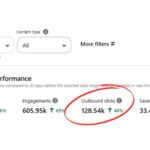
For eligible accounts with access, Search Console may provide information about the search queries that lead people to their content, which content receives attention, and how different formats perform.
Now, I want to be clear about something.
This doesn’t mean everyone can automatically connect their Instagram account to Search Console and start seeing every search that leads to a Reel. Access depends on eligibility, verification, and the information Google makes available. But the bigger point is that Google recognizes creators have content beyond traditional websites.
And understanding how people discover that content can help us create more intentionally.
Your Social Media Captions Might Matter More Than You Think
Let’s say you create a Reel explaining three mistakes small business owners make with their Instagram bios.
You could caption it: “Just a little reminder for today! ✨”
Is that cute? Sure, I guess.
But, is it helpful for someone trying to understand what the video is about? Not particularly. Now imagine writing: “Three Instagram bio mistakes that make it harder for small businesses to get discovered.” Suddenly, the topic is much clearer. You’re telling people what the content covers, and you’re giving search systems more context to work with.
That doesn’t guarantee Google will index your Reel or rank it. But descriptive captions, relevant language, and clear titles can make your content easier to understand. And honestly, that benefits the people already following you, too.
Your Instagram Bio Is Part of the Conversation
I’ve talked before about how important it is to make your Instagram bio searchable. And this is another reason I believe in being intentional with how you describe yourself online. If someone discovers your content through Google and decides to visit your profile, will they immediately understand what you do? Or will they have to scroll through fifteen posts to figure it out?
Your profile should make sense to someone who’s never encountered your content before. You don’t have to turn your bio into a collection of keywords. But clearly describing your topics, expertise, or business makes it easier for people to recognize whether your content is relevant to them.
Don’t Start Stuffing Keywords Into Every Reel
Please don’t read this and immediately start adding twenty search phrases to every Instagram caption. That’s not the goal. We’re not trying to trick Google into showing our content. We’re trying to make useful content easier to understand and discover.
Start with the actual question your content answers. If you’re creating a video about Pinterest traffic, explain that clearly. If you’re sharing a tutorial about editing Reels, use language someone searching for that tutorial would recognize. And if your video is simply a funny moment from your day? Let it be funny!
Not every piece of content needs to become an SEO project.
Your Content Can Have More Than One Job
One thing I’ve learned about content creation is that we don’t always know where someone will discover us. They might find a blog post through Google, stumble across a Reel, save a Pinterest Pin, or hear about us from someone else. That’s why I don’t believe in treating every platform like an entirely separate world.
Your website, social media, and email newsletter can all support one another. A helpful Reel might introduce someone to your business. A blog post might answer their next question. And an email newsletter might give them a reason to keep coming back.
I still believe your website is worth investing in because it’s a space you have more control over. But I also love knowing that the content we create for social media may have opportunities to reach people beyond the original platform.
Think Beyond the First 24 Hours
If you’ve ever felt discouraged because a Reel didn’t perform well immediately, I get it. We put so much energy into creating content and then judge its success almost instantly. But a post’s initial performance doesn’t necessarily tell us everything about its future discoverability. Some content may continue appearing in platform searches, recommendations, or Google results later.
There’s no guarantee.
But I think it’s a good reminder to create things that are useful beyond the day we publish them. Your content doesn’t always stop working when someone closes the app where you posted it. And for those of us trying to build something lasting online, that’s a pretty encouraging thought.
Your Content Deserves to Be Found. ☕
Between algorithm updates, creator news, and all the changes happening online, keeping up can feel like another full-time job. That’s why I created The Daily Pour. Five quick emails every weekday covering creator news, social media updates, internet culture, and practical content strategy. The stories worth knowing, the changes worth paying attention to, and ideas you can actually use.
Subscribe to The Daily Pour and make your morning coffee a little more interesting!
FAQ
Can Instagram Reels appear in Google Search?
Yes. Public Instagram Reels may appear in Google Search results when Google can access and index them. However, not every Reel will appear, and using keywords doesn’t guarantee a ranking.
Can TikTok videos show up on Google?
Yes. Google can display TikTok videos in search results. Descriptive captions and clear topics can help people and search systems understand your content, although visibility isn’t guaranteed.
Can I see which Google searches lead people to my Instagram or TikTok?
Yes. Google’s Search Console platform properties support Instagram, TikTok, YouTube, and X. Once you add and verify an account, you can review available search queries, clicks, impressions, and content performance.
How do I add my Instagram account to Google Search Console?
Visit Google Search Console, select Add property, choose Instagram, and follow the verification instructions. Google introduced platform properties globally in July 2026.
Should I use SEO keywords in my Instagram captions?
Yes, when they’re relevant and natural. Describe what your content is actually about using language your audience understands. Avoid keyword stuffing or making every caption sound like a search engine wrote it.