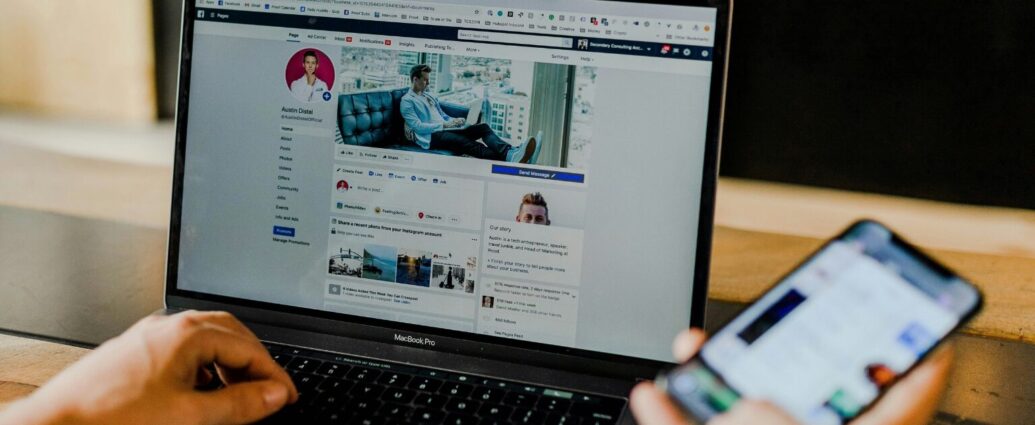
Photo by Austin Distel on Unsplash
Every few years, the internet collectively decides that Facebook is dead. Apparently, we have all left, no one uses it anymore, and businesses should pack up their Facebook Pages and move on to whatever platform is currently cooler.
Except there’s one tiny problem with that theory. People are still using Facebook. A LOT of people.
According to Pew Research Center’s latest social media research, 71% of U.S. adults use Facebook. It’s still the second-most widely used social platform in the country behind YouTube, and around half of American adults say they visit Facebook every day.
So, maybe Facebook isn’t dead. Maybe the way we need to USE Facebook has just changed.
Facebook Still Has a Massive Audience
If your customers are adults, especially adults over 30, Facebook deserves a second look. Pew found that 80% of adults ages 30–49 use Facebook, along with 74% of adults ages 50–64. Even 57% of adults 65 and older use it.
Those numbers matter because sometimes we get so distracted by what’s trending in social media that we forget to ask where our actual CUSTOMERS are spending their time.
If you own a landscaping company, run a bookkeeping business, sell handmade products, own a coffee shop, or provide music lessons, you probably don’t need every 19-year-old on TikTok to know who you are. You need the people who could realistically become your customers to know who you are.
And some of them are still scrolling Facebook while insisting they “hardly ever use Facebook.” lol
But Facebook Doesn’t Work Like It Used To
This is where I think some small businesses get frustrated. Having 3,000 people follow your Facebook Page doesn’t mean Facebook is going to show your next post to all 3,000 of them.
Facebook has become much more of a recommendation platform. Meta uses its recommendation systems to determine what people might be interested in seeing, including content from accounts they don’t already follow. In 2026, Meta has continued making changes to Feed and Reels specifically designed to surface more relevant and original content.
Sound familiar?
This is similar to what has happened on Instagram. Your existing audience still matters, but platforms are getting increasingly good at finding an audience FOR individual pieces of content.
That creates an opportunity for small businesses.
Facebook Wants Original Content
This might be one of the most important changes for businesses to understand right now. Meta has explicitly said that it is giving original content greater reach while deprioritizing unoriginal content.
That means Facebook doesn’t necessarily need another recycled post that has been copied from somewhere else and slapped onto your business Page. It wants something YOU actually created.
For a small business, that could be a video showing how something works, answering a question a customer asked that morning, taking people behind the scenes, sharing something funny that happened at work, or explaining something about your industry that people misunderstand.
Basically, be a business run by actual humans. Groundbreaking, I know.
Local Businesses Have Something Facebook Is Really Good At
There’s another reason I wouldn’t abandon Facebook if you run a local business: community.
Local Facebook Groups are still filled with people asking where to eat, who can repair something, which company they should hire, where they should take their kids, and who everyone recommends. Facebook Marketplace, Events, Groups, Pages, and local conversations create an ecosystem that feels different from simply watching videos in a TikTok feed.
That doesn’t mean you should run into every local Facebook Group yelling, “HIRE ME!” Please don’t do that. lol
It means being visible in your community still matters. Create useful content on your Page, keep your business information current, participate appropriately when local conversations make sense, and give happy customers a reason to talk about you.
Facebook Doesn’t Have to Be Your Main Platform
This is the part I think will relieve some business owners.
You don’t have to suddenly decide Facebook is your entire marketing strategy. You also don’t have to post there three times a day because someone on the internet told you consistency means never sleeping again.
If Instagram, Pinterest, YouTube, TikTok, or your blog is driving more results, GREAT. Keep investing in what is working.
But if your target audience uses Facebook, maintaining an active presence gives people another place to discover you, research you, interact with your content, and confirm that your business is alive and well.
Your Facebook Page can be one piece of the larger system.
Stop Asking Whether Facebook Is Dead
I think this is actually the wrong question.
Instead of asking, “Is Facebook still relevant?” ask, “Is MY audience still using Facebook?” If the answer is yes, then Facebook matters to your business.
Your marketing strategy doesn’t need to be based on which social platform feels the coolest in 2026. It should be based on where the people you’re trying to reach actually spend their time and what they’re doing while they’re there. Sometimes that’s Instagram. Maybe it’s TikTok.
And sometimes it’s Facebook, where apparently everyone went after they announced they were leaving Facebook.
The Content Maven Takeaway
Facebook absolutely can still matter for small businesses in 2026. But I wouldn’t use it like it’s 2016.
Don’t make follower count your entire strategy. I wouldn’t only publish promotional graphics. You’ll be wondering why nobody engages with them. And don’t automatically cross Facebook off your list because another platform gets more attention in conversations about social media.
Pay attention to your audience. Create original content that is genuinely useful, interesting, entertaining, or local. Give Facebook enough information and content to understand who might actually care about your business.
You don’t have to be everywhere. You just need to make it easy for the right people to find you in the places they’re already looking.
Want more practical updates about what’s changing across Facebook, Instagram, Pinterest, search, AI, and the creator industry? Subscribe to The Daily Pour. I keep up with what’s happening so you don’t have to spend your entire day trying to figure out what Mark Zuckerberg changed while you were sleeping.
FAQ
Is Facebook still relevant for small businesses in 2026?
Yes, depending on your audience. Facebook is still used by 71% of U.S. adults, according to Pew Research Center’s 2025 survey, and usage is particularly high among adults ages 30–64. Businesses should consider whether their specific target customers are active there rather than assuming the platform is no longer relevant.
Should my small business still have a Facebook Page?
For many businesses, maintaining a current Facebook Page can still be worthwhile. It gives potential customers another place to find information about your business, see your content, interact with you, and confirm that your business is active.
What kind of content works on Facebook in 2026?
Meta is increasingly emphasizing original content in Facebook Feed and Reels. Businesses can experiment with original videos, helpful explanations, behind-the-scenes content, customer questions, stories, and other content created specifically from their own knowledge and experience.
Do Facebook followers still matter?
Followers still matter because they represent people who have chosen to connect with your business, but follower count doesn’t guarantee that every follower will see every post. Facebook also recommends content to people who don’t already follow an account, giving businesses opportunities to reach new audiences.
How often should a small business post on Facebook?
There isn’t one posting frequency that works for every business. A better approach is to choose a schedule you can maintain while focusing on useful, original content and then use your own analytics to determine what frequency and types of posts perform best.