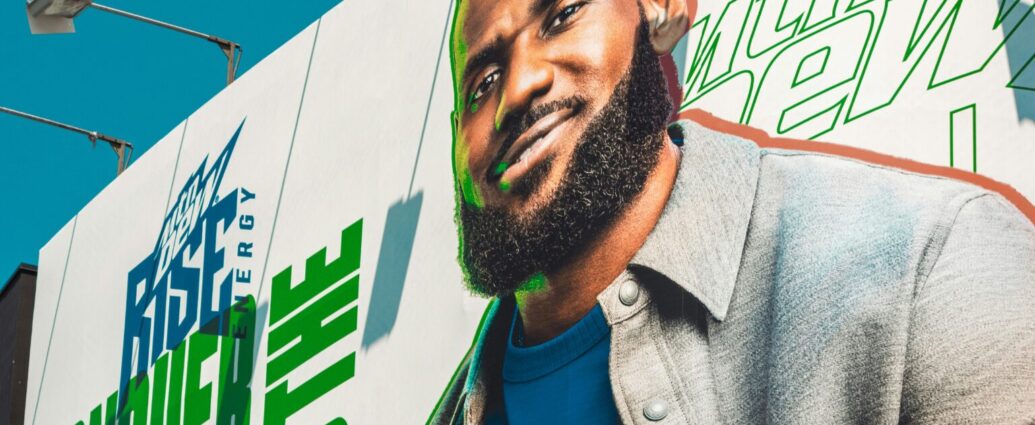
Photo by Darien Attridge on Unsplash
It pains me slightly as a lifelong Phoenix Suns fan to say this, but LeBron James just made a content move I think is worth paying attention to. 😂 I’m not suddenly becoming a LeBron fan, and after all those years he spent with the Lakers, I feel like my position here is fairly well established. But for the sake of the content creation industry, we’re going to have to talk about him.
LeBron James has officially launched his own YouTube channel, and surprisingly, it isn’t centered around basketball. The channel is about golf, a sport he’s become increasingly interested in over the past year. His first episode takes viewers along on a golf trip to Scotland with Kevin Love, J.R. Smith, Richard Jefferson, Tristan Thompson, and Channing Frye, members of the 2016 Cleveland Cavaliers championship team. The debut is more than 90 minutes long, and YouTube says new episodes will arrive monthly on Saturdays.
That alone is interesting. But I think there’s a much bigger content story hiding underneath it.
LeBron James Does Not Need YouTube to Get Attention
This is the part I can’t stop thinking about. LeBron James can get media coverage pretty much whenever he wants it. He has spent more than two decades being covered by television networks, newspapers, sports websites, podcasts, documentaries, and practically every other form of media available.
He also isn’t exactly new to creating his own media. He’s been involved with projects including The Shop and Mind the Game, and he’s appeared across television, film, podcasts, and countless interviews. If LeBron wants airtime, finding someone willing to give it to him is probably not his biggest problem.
And yet, he’s launching a YouTube channel.
Not another television show. Not simply another interview series about his basketball career. He’s building a recurring, direct-to-audience content series around something he personally enjoys. And that’s the part content creators should pay attention to.
He’s Building Content Around an Interest, Not His Main “Niche”
If we applied some of the traditional social-media advice creators have heard for years, this channel almost sounds like a terrible idea. LeBron is known for basketball, so shouldn’t his content be about basketball? Shouldn’t he stay in his niche? Won’t he confuse his audience?
Instead, his YouTube channel is documenting his journey as a golfer. YouTube describes him as both a fan and a student of the game, with future episodes expected to include golf courses around the world, special guests, local food, travel, competition, and plenty of behind-the-scenes moments.
I actually think that’s what makes the idea work. We already know LeBron the basketball player. This gives people access to another part of his personality and creates an entirely different reason to watch him. There is a lesson in there for those of us who have spent way too much time worrying about whether every single thing we publish fits perfectly inside our niche.
Your Niche Helps People Find You. Your Personality Gives Them a Reason to Stay.
I still believe in having a clear niche, especially when you’re trying to build a searchable business. If someone lands on your website, Instagram profile, YouTube channel, or Pinterest account, they should have a pretty good idea of what you know and why they should follow you.
But having a niche doesn’t mean becoming one-dimensional.
You can be known for photography and occasionally talk about travel. You can teach marketing and have a recurring series reviewing commercials. You can own a bakery and let people see the funny things that happen behind the counter. You can be a financial expert and occasionally talk about the books you’re reading.
Those secondary interests can actually make your primary content more interesting because they give people another way to connect with the human being behind the expertise. That’s why I keep coming back to this idea: your niche tells people why to find you, but your personality gives them a reason to stay.
There’s Also Something Important About Owning the Audience Relationship
There’s another part of LeBron’s decision that I think matters for the future of creator media. He could make golf appearances on somebody else’s show. He could let ESPN cover his golf trips. He could post clips to Instagram or TikTok and probably generate millions of views. Instead, he’s creating a recurring long-form series on a channel built around his own name.
YouTube gives him a direct place where people can intentionally subscribe to his content. The videos are searchable. They can continue collecting views long after they’re published. He can build recognizable series and formats. And instead of relying entirely on someone else’s coverage to tell the story, he gets to decide what the story looks like.
I wouldn’t technically call a YouTube audience completely “owned” in the same way an email list or website is owned media, because YouTube still controls the platform. But it is a much more direct audience relationship than relying on traditional media coverage, and that distinction matters.
When someone with virtually unlimited access to traditional media still sees value in building a direct, searchable content library, I think creators should notice.
The First Episode Is Also a Smart Lesson in Content Packaging
Even the way LeBron launched the channel is worth studying.
He didn’t sit alone in front of a camera and upload a video called Welcome to My New YouTube Channel. Instead, the first episode uses a story people already care about: the tenth anniversary of the Cleveland Cavaliers’ 2016 championship. He brought Kevin Love, J.R. Smith, Richard Jefferson, Tristan Thompson, and Channing Frye to Scotland for a golf trip and turned that reunion into the introduction to his new content world.
Basketball gets people through the door. Golf introduces the new direction. Friendship, nostalgia, travel, food, competition, and personality give people reasons to keep watching.
That’s good content packaging.
If you’re launching something new in your own business, think about that. You don’t necessarily need to introduce the new thing completely disconnected from everything your audience already knows about you. Find the bridge between what people already recognize and where you want to take them next.
You Don’t Have to Put Every Interest Into Your Main Content
Now, before we all start adding fourteen new content pillars to our strategy, I want to make an important distinction. LOL This isn’t permission to turn your business account into a running diary of every single thing you enjoy.
Clarity still matters.
If you want people to find you because you’re a wedding photographer, your content should still make that expertise obvious. If you teach SEO, people should still be able to tell that you teach SEO. Search engines and humans both benefit when they can understand what you’re known for.
But a recurring secondary series is different from randomly posting about everything.
A photographer might have a monthly series about traveling to beautiful places. A business coach might review business books. A realtor might have a recurring series about local restaurants. The secondary content doesn’t replace the expertise. It adds dimension to the person delivering it.
That’s where I think LeBron’s golf channel offers a useful example.
This Is Where Creator Media Is Heading
We’re watching the line between celebrity, media company, business owner, and content creator continue to blur.
You don’t have to wait for a publication to interview you before sharing what you know. It’s never required to wait for television to give you a show. You don’t even have to keep your content confined to the thing you’re professionally known for. You can build the series yourself.
That’s obviously true for someone with LeBron James’ resources, but it’s also true on a much smaller scale for the rest of us. YouTube, podcasts, blogs, newsletters, and social platforms have given individuals the ability to create their own recurring media properties without waiting for traditional gatekeepers to approve them.
And perhaps that’s the bigger takeaway from this story. LeBron already has the attention. What he’s building now is a place to turn that attention into an ongoing relationship centered around something he personally cares about.
I hate to say it, but that’s pretty smart. Don’t worry. I’m still a Suns fan.
What Content Creators Can Take From This
If you’ve built a clear niche and you’re beginning to feel boxed in by it, I don’t think the answer is necessarily to blow up your entire content strategy. Instead, think about whether there’s a secondary interest that could become a recognizable series alongside your main expertise.
Give it a name. Give it a format. Decide how often it appears. Then let your audience get to know another side of you without making them wonder what your business is actually about.
Your expertise can still be the reason someone discovers you. Your searchable content can still do the work of bringing new people in. But once they arrive, personality, interests, opinions, humor, and the occasional unexpected series can give them a reason to care about who’s behind all that helpful information.
Your content niche tells people why to find you. Your personality gives them a reason to stay.
Apparently, LeBron James had to be the one to remind me of that this week. I don’t love it either. Ha!
Want More Creator News You Can Actually Use?
This is exactly the kind of creator-industry story I share through The Daily Pour. I pay attention to what’s changing across social media, content creation, search, marketing, and the creator economy, then look beyond the headline to figure out what it actually means for those of us building businesses online.
If you’d rather not spend your day digging through creator news yourself, subscribe to The Daily Pour. I’ll bring you the interesting stories, the platform updates worth knowing, and the practical lessons you can actually apply to your own content.
FAQ
When did LeBron James launch his YouTube channel?
LeBron James’ first golf video went live on August 15, 2026. YouTube officially announced the new channel on August 17. The channel is expected to release new episodes monthly on Saturdays.
What is LeBron James’ YouTube channel about?
Rather than focusing primarily on basketball, LeBron’s channel follows his growing interest in golf. YouTube says the series will document him and his friends visiting courses around the world while incorporating competition, special guests, local food, travel, and behind-the-scenes moments.
Who appears in LeBron James’ first YouTube video?
The debut episode features LeBron alongside former Cleveland Cavaliers teammates Kevin Love, J.R. Smith, Richard Jefferson, Tristan Thompson, and Channing Frye. The group reunited in Scotland to celebrate the tenth anniversary of Cleveland’s 2016 NBA championship.
Do content creators have to stick to one niche?
Having a clear area of expertise can make your content easier for people and search platforms to understand, but that doesn’t mean every piece of content must be identical. A recurring secondary series can introduce another part of your personality without replacing the primary subject you’re known for.
Why are recurring content series useful for creators?
Recurring series give audiences something recognizable to return to while allowing creators to explore subjects beyond their primary content. The key is keeping the format intentional enough that the additional topic adds personality without making the overall brand confusing.