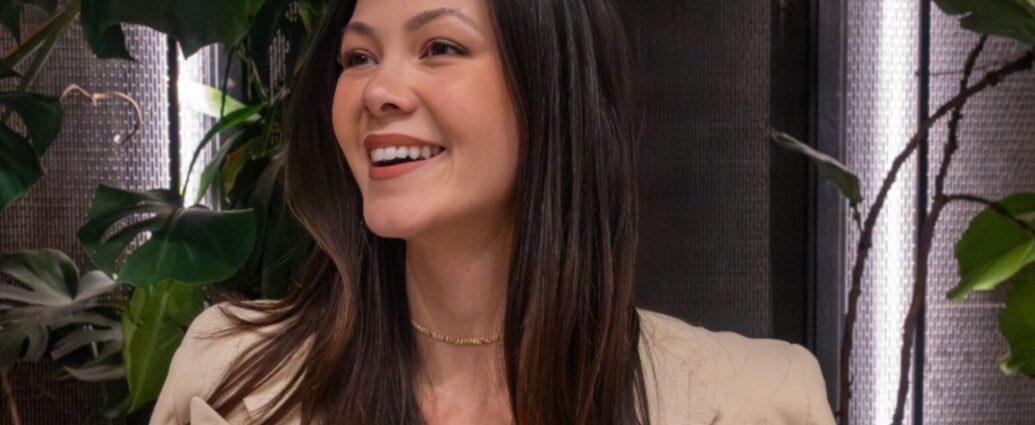
Photo by Claire Fridkin via Wikimedia Commons, licensed under CC BY-SA 4.0. Cropped from the original.
We’ve spent a lot of time talking about how creators make money. Brand deals, affiliate links, platform revenue, products, services and all the other ways someone can turn an audience into an actual business.
But a creator-economy story caught my attention this week because it takes that conversation one step further.
AI educator and creator Cat Goetze, better known online as CatGPT, has taken an equity stake in her creator-management company, Smooth Media, and is joining the company as a strategic adviser. She’s not simply promoting the company or working with it anymore.
She owns part of it.
And I think we’re going to see a lot more of this.
CatGPT Is Now Part-Owner of Smooth Media
According to Axio’s report on the deal, Goetze is now the first outside shareholder in Smooth Media, a five-year-old bootstrapped creator-management company that represents more than 70 creators. The size of her ownership stake wasn’t disclosed. Which makes sense.
Goetze isn’t simply getting equity and putting her name on a press release, either. As a strategic adviser, she’ll work with Smooth’s founders on its management business, new services, branding and internal technology. Her existing relationship with the company, which already represents her and receives a percentage of deals it brings her, will continue.
That’s what makes this interesting to me.
This isn’t really a story about an influencer getting paid differently for a sponsored post. It’s about a creator realizing that what she brings to a company can have long-term business value. And I think that’s freakin’ COOL.
The Old Creator Model Was Pretty Simple
For years, the most visible creator-business relationship looked something like this: a brand wanted access to an audience, it paid a creator, the creator made the content and everybody moved on. Obviously, I’m simplifying an entire industry here, but you get the idea.
The creator essentially rented their influence to a company for a certain amount of time.
That model isn’t disappearing. Brand partnerships are still a huge part of the creator economy, including for Goetze. Axios reports that her business currently generates about $3 in brand-partnership revenue for every $1 in product revenue.
But what happens when the creator realizes they’re bringing more to the table than a Reel and an audience That’s where this gets much more interesting.
Creators Aren’t Just Distribution Anymore
Think about what an established creator can understand about an audience. They know which questions keep coming up. They know what people complain about. And, they see what gets ignored and what gets shared immediately. They know what language connects, what products people want and sometimes what an entire industry is getting wrong.
That’s useful information.
And when a creator has spent years developing that knowledge, why should their only business opportunity be, “How much can I charge you for three Instagram Stories?”
In Goetze’s case, she has already been building businesses outside traditional sponsored content. Her Physical Phones product reportedly generated $118,000 in its first 72 hours and has since surpassed $1 million in sales. She’s also launching Cat Labs, which she describes as a creator-first product studio where builders can develop products while documenting the process for an audience.
At that point, you’re not just looking at someone who knows how to make a viral video. You’re looking at an entrepreneur who happens to have distribution built in.
This Is the Part of the Creator Economy I’m Watching
I’ve written recently about how content creators actually make money, and this feels like the natural next chapter of that conversation. Creators are increasingly thinking beyond the transaction.
Instead of only asking how much a sponsorship pays, they’re asking whether they can develop the product. Instead of simply promoting a company, they’re advising it. They are not only helping someone else build value with their audience, they’re looking for ways to participate in the value they helped create.
Sometimes that means launching their own company. It can mean investing in one. Sometimes it means licensing intellectual property, developing a product or negotiating equity as part of a partnership. In Goetze’s case, it means becoming an owner in the company already helping manage her business.
Axios points to other examples of this broader shift, including Alix Earle taking an equity stake in Poppi as part of her relationship with the beverage company before PepsiCo agreed to acquire it.
We’re moving from “pay me to reach my audience” toward “what can I build with the influence I’ve created?”
That’s a very different question.
Your Audience Can Become Leverage for Ownership
This connects directly to something else I’ve been talking about lately: trust becoming more valuable than followers. An audience isn’t valuable simply because a lot of people clicked Follow.
It’s valuable when those people listen. It’s valuable when they trust recommendations or when they buy something. And, It’s valuable when a creator understands that community well enough to help build something people actually want.
That’s when an audience stops being merely a social-media metric and starts becoming a business asset. And THAT is why this CatGPT story matters to me more than the headline about a creator getting equity. The creator economy gets much more interesting when creators stop renting their influence and start building assets with it.
No, This Doesn’t Mean You Should Demand Stock From Your Next Sponsor 😂
I can already picture somebody with 2,700 Instagram followers emailing a local coffee shop and saying, “Actually, Jess from The Content Maven says I would like 14% of the company.”
Please don’t do that. 😂
Equity also isn’t automatically better than cash. Ownership comes with risk, and a stake in a company is only valuable if the company itself becomes valuable. The details of these arrangements matter enormously, and creators considering equity compensation should have qualified legal and financial professionals review what they’re agreeing to.
But the larger lesson is worth thinking about even if you never receive a single share of stock. Established creators should start asking bigger questions about the relationships they’re building.
Could a one-time sponsorship become a long-term partnership? Is there something you could help develop rather than simply promote? Is your expertise valuable enough that you could advise the company? Maybe there’s intellectual property you could license? Is there eventually an opportunity to own part of what you’re helping create?
The answer will frequently be no. But it’s a much more interesting starting point than asking how much you can charge for one post. And, it’s really amazing that the content creator industry is headed this way.
Small Business Owners Should Pay Attention Too
This isn’t only a lesson for creators. If your business works with creators, start thinking about whether you’re treating them simply as distribution or whether some of them could become genuinely valuable business partners.
Maybe a creator understands your customer better than your marketing team expected. Are they consistently bringing excellent ideas? Maybe there’s an opportunity to co-create a product, develop a recurring series, build an event or establish a longer-term ambassador relationship instead of starting from scratch with a new sponsored post every month.
You certainly don’t need to hand out equity like samples at Costco. lol
But the best creator partnerships may increasingly be the ones where businesses recognize that creators can bring audience knowledge, creative ability, trust and business insight, not merely eyeballs.
That’s a much more valuable relationship on both sides.
The Creator Economy Is Growing Up
I’ve been fascinated by the creator industry lately because so many of the stories we’re seeing point in the same direction. Follower count isn’t everything. Trust matters. Brands are becoming more selective. Creators are diversifying how they make money. And increasingly, some creators don’t just want to be the person standing in front of the product.
They want to help build the company behind it.
Cat Goetze becoming an owner of Smooth Media isn’t proof that every creator is about to start negotiating equity deals. But I do think it’s another sign that the business of being a creator is becoming much more sophisticated.
The question used to be: “How much can I make from my audience?”
I think some of the smartest creators are beginning to ask: “What can I own because of what I’ve built?”
That’s a creator-economy shift worth watching.
Keep Watching the Business Behind the Content
This is exactly the kind of creator story I love covering because the interesting part isn’t simply who got the deal. It’s what that deal tells us about where this industry might be going.
If you want more creator-economy news, social media updates and practical lessons you can apply to your own content or business, subscribe to The Daily Pour. I’ll keep watching the weird, fascinating business of the internet so you don’t have to spend your entire day doing it.
FAQ: Creator Ownership and Equity
Why did CatGPT take an ownership stake in Smooth Media?
Cat Goetze, known as CatGPT, became Smooth Media’s first outside shareholder and joined the company as a strategic adviser. She will advise the company on areas including creator management, new services, branding and internal technology. The size of her equity stake was not publicly disclosed.
What does it mean when a creator gets equity in a company?
Equity means the creator owns a stake in the business rather than receiving only cash compensation. The specific rights and potential financial value depend on the terms of the agreement and the future value of the company.
Are creators starting to get ownership in brands?
Some established creators are pursuing equity, investments, product development and other ownership opportunities in addition to traditional sponsorships. Axios described Goetze’s deal as part of a broader trend of creators seeking participation in the long-term value their influence helps create.
Is equity better than getting paid for a sponsorship?
Not necessarily. Cash provides immediate compensation, while equity can potentially become more valuable but also carries risk. Creators considering equity should evaluate the company, terms and opportunity carefully and seek appropriate professional advice.
Do you need millions of followers to build a creator business?
No. Audience size is only one part of a creator’s business value. Expertise, trust, audience fit, content skills, products, services and the ability to generate measurable results can all contribute to a creator’s value.